The Renter's Insurance Claim That Taught Me Everything About Coverage Gaps
I was on the Kennedy Expressway when my phone rang. It was a Tuesday in March, and the rain was coming down hard enough that I could barely see the car in front of me. I let it go to voicemail. Then it rang again. Same number. I pulled off at the Armitage exit and answered.
It was Mrs. Alvarez. She was a client I had helped six months earlier — a retired schoolteacher in Logan Square who had called me because she was worried her homeowner's insurance was not enough. We had reviewed her policy. We had identified some gaps. But she had not acted on all of my recommendations. She had done the easy ones — increased her liability coverage, added a rider for her jewelry. But she had skipped the one I had pushed hardest on: flood insurance.
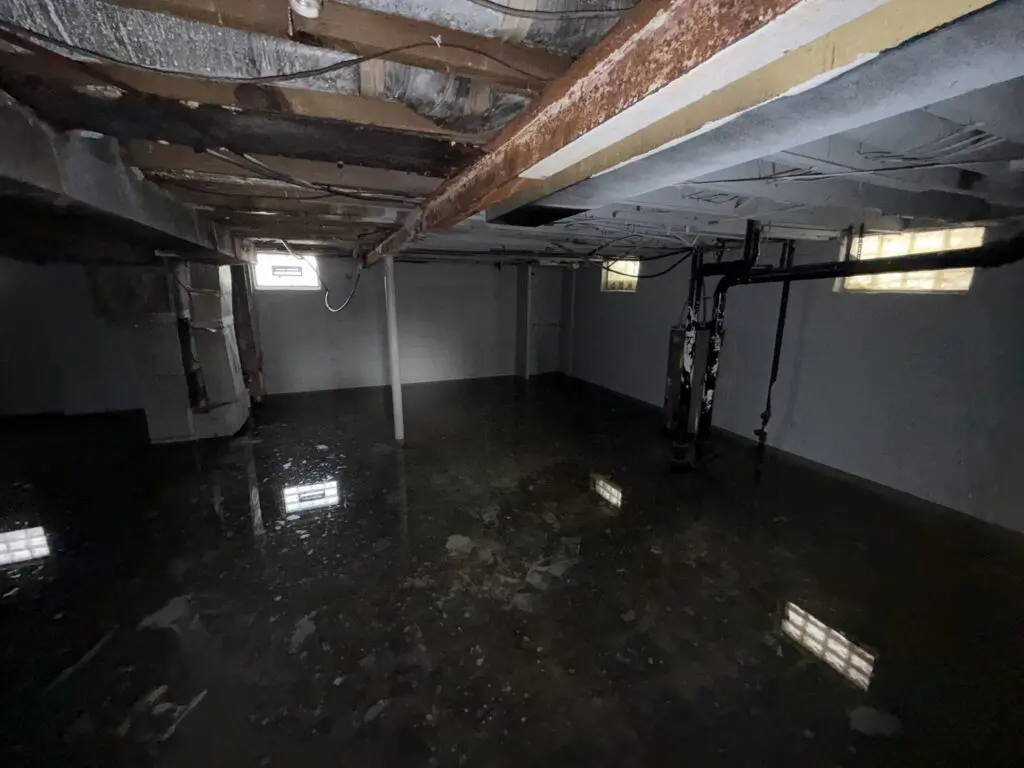
"Marcus," she said. Her voice was shaking. "My basement is full of water. The sump pump failed. Everything is ruined."
I closed my eyes. I knew what she was going to say next. "My insurance company says I am not covered."
She was right. She was not covered. Standard renter's insurance — and standard homeowner's insurance — does not cover flood damage. Not from sump pump failure. Not from sewer backup. Not from groundwater seepage. The only thing that covers flood damage is a flood insurance policy, either through the National Flood Insurance Program or a private carrier. And Mrs. Alvarez had decided it was not worth the $450 annual premium.
I drove to her house. The water was six inches deep in the basement. She had lost a lifetime of photographs, a collection of vintage books, her late husband's woodworking tools, and a washer and dryer that were less than two years old. The damage was around $18,000. Her insurance company wrote her a check for $0.
I sat with her on the porch while the restoration crew pumped out the water. She was not crying. She was past crying. She was in that numb state where you keep saying "I should have" and "if only" and you know neither one changes anything. I had seen that look before. I had seen it on the faces of people who thought they were covered until they were not.
Here is the thing about insurance: most people are not underinsured because they are cheap. They are underinsured because they do not understand what their policy actually covers. They see the word "comprehensive" and they assume it means everything. They see "all-risk" and they think that means all risks. It does not. Insurance policies are contracts, and contracts have exclusions. Flood is almost always one of them. Earthquake is another. Sewer backup is a third. And if you do not know where your exclusions are, you do not know what you are buying.
I spent sixteen years as an underwriter. I wrote those exclusions. I know why they exist. Flood is a catastrophic risk that cannot be priced into a standard policy without making the premium unaffordable for everyone. The NFIP exists specifically because private insurers cannot profitably cover flood at the rates most people are willing to pay. So the coverage is separated. And if you do not know to ask for it, you do not have it.
Mrs. Alvarez's situation was not unique. I see it constantly. The family in Des Plaines who lost their basement to a flash flood. The couple in Hyde Park whose pipes burst while they were on vacation. The young professional in Wicker Park whose apartment was burglarized and who discovered her renter's policy only covered $1,000 in electronics. These are not edge cases. These are the most common claims I see, and they are the ones most likely to be undercovered or uncovered entirely.
After Mrs. Alvarez, I changed how I do consultations. I used to start with the policy. Now I start with the risk. I ask people: what is the worst thing that could happen to your home? And then I ask: are you covered for that? Most people do not know. They have never read their policy. They have a PDF in their email that they downloaded three years ago and never opened. And that PDF contains the answers to whether they will be okay after a disaster — but only if they read it.
I read Mrs. Alvarez's policy that afternoon. It was a standard HO-3 form, which is the most common homeowner's policy in Illinois. It covered fire, wind, theft, vandalism, and falling objects. It did not cover flood. It did not cover sewer backup unless she had added an endorsement — which she had not. It covered her personal property at actual cash value, not replacement cost, which meant her two-year-old washer was valued at its depreciated price, not the cost of a new one. The gap between what she lost and what she would have been paid — even if the flood had been covered — was thousands of dollars.
I helped her file a claim anyway. I helped her argue for coverage of the items that were damaged by the restoration process rather than the flood itself. We got $3,200 out of the insurance company — not enough, but something. And then I helped her apply for a low-interest disaster loan from the Small Business Administration. She was not a business, but the SBA offers disaster loans to homeowners and renters in declared disaster areas. Chicago had not been declared, but I walked her through the process anyway.
The renter's insurance claim taught me something I already knew but needed to relearn: coverage gaps are not abstract. They are not theoretical. They are basements full of water and photographs that cannot be replaced. They are the difference between a bad month and a financial catastrophe. And they are preventable — but only if you know where to look.
I keep a photo of Mrs. Alvarez's basement on my phone. Not because I am morbid. Because it reminds me why I do this work. Every time I sit down with a client and they tell me their coverage is "fine," I think about that basement. And I push a little harder. Because "fine" is not a coverage limit. And it is definitely not a guarantee.
— Marcus, from Chicago, where the winters are cold and the coverage gaps are colder.
